
Packaging Your Offense: Formations, Plays, and Personnel That Work Together

This week’s #TXHSFBCHAT topic looked at a variety of formations and asking coaches to explain how many personnel packages they do or would use with each formation and what plays they would run in each case. I chose formations that could potentially be used with a large number of personnel packages. What I learned is most coaches are not using more than 1-2 personnel packages with most formations.
This is interesting to me because in today’s game of football there are so many possible ways to set up your offense. However, what is happening is we are seeing a lot of packaging specific formations with fewer personnel packages and running a certain set of plays with each.
Packaging your offense like this can help coaches and their teams in a number of ways by:
Reducing teaching time
Increasing player football knowledge and confidence
Stress defenses without adding volume
Become harder to scout and defend
This post will break down how to package your offense using spread formations and power formations, along with the personnel and play concepts that naturally fit each.
What Does “Packaging” Mean?
Packaging your offense means:
Using a small number of formations
Attaching multiple plays and concepts to each formation
Running those plays with different personnel groupings
Creating answers without constantly adding new plays
Instead of:
“Here’s a new formation for this play.”
You’re saying:
“Here’s another way to run what we already do.”
Spread Formation Packages
Spread formations are built on space, tempo, and decision-making. They allow you to:
Identify defensive structure quickly
Get the ball to playmakers
Stress the defense horizontally and vertically
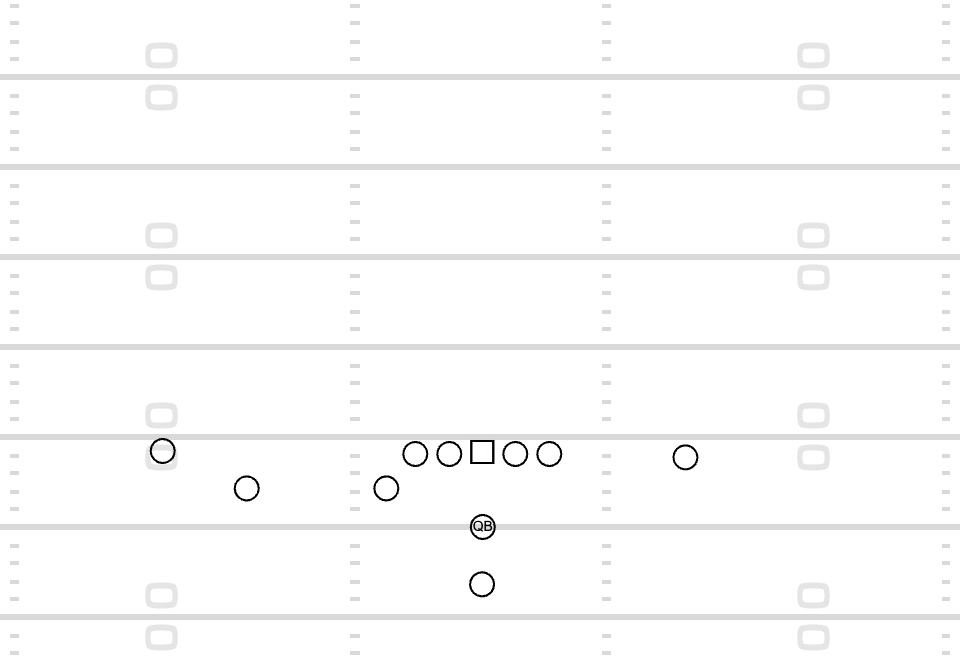
Common Spread Formations
2×2
3×1
Empty
Trips Open / Trips Closed
Core Spread Plays to Package
Rather than dozens of plays, spread offenses thrive on a few core concepts:
Run Game
Inside Zone
Outside Zone
QB Draw
Zone Read / RPO Attachments
Pass Game
Stick
Slant/Flat
Mesh
Four Verticals
Quick Screens (Now, Bubble, Tunnel)
Personnel in the Spread Package
11 Personnel (1 RB, 1 TE, 3 WR)
Your most versatile grouping
Allows quick shifts between spread and power looks
TE can be attached or flexed
10 Personnel (1 RB, 4 WR)
Maximum space
Forces defenses to declare coverage
Great for tempo and quick game
Example Spread Package
Formation: 2×2 Gun
Personnel: 11 Personnel
Plays Attached:
Inside Zone
Inside Zone RPO (Glance / Stick)
Stick
Slant/Flat
Bubble Screen
Same formation. Same personnel.
Five different answers based on how the defense lines up.
That’s packaging.
Power Formation Packages
Power formations are built on angles, leverage, and physicality. They force defenses to:
Fit gaps correctly
Tackle in tight spaces
Handle extra surfaces and pullers
Power football doesn’t mean lining up in the I-formation every snap — it means creating numbers and angles.
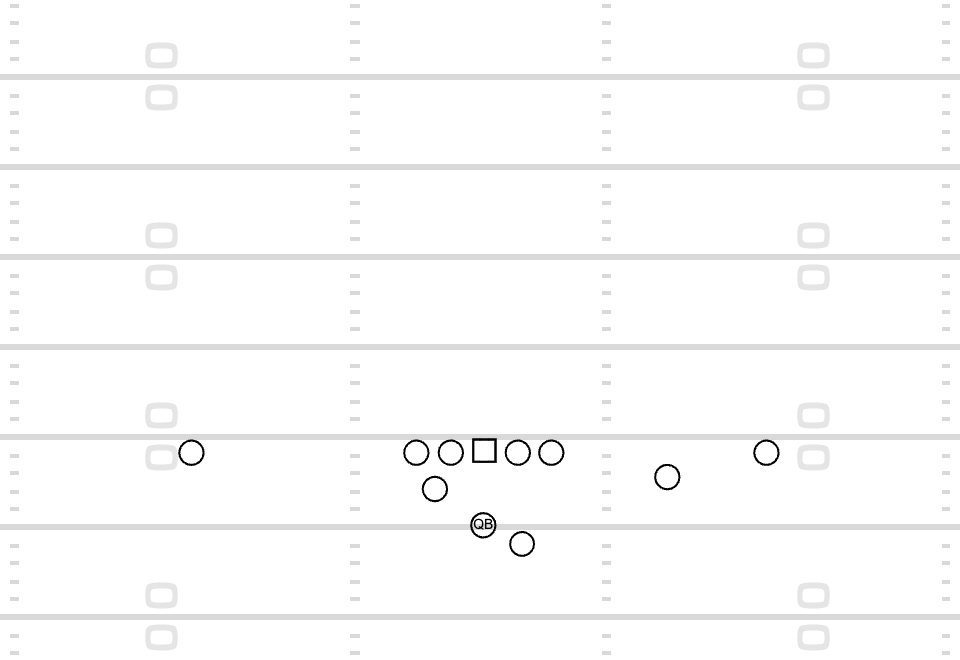
Common Power Formations
Ace (2 TE)
Wing-T looks
Pistol with attached TE
Unbalanced
Heavy Trips (TE + WR surface)
Core Power Plays to Package
Run Game
Power
Counter
Duo
GT Counter
Pin & Pull
Complementary Passes
Play-Action Boot
Y-Cross
TE Pop
Flood / Sail
Play-Action Shot
Personnel in the Power Package
12 Personnel (1 RB, 2 TE, 2 WR)
Creates extra gaps
Forces base or heavier defensive personnel
Still allows explosive play-action
21 Personnel (2 RB, 1 TE, 2 WR)
Great for downhill run game
Fullback can be a true blocker or H-back
Excellent for misdirection and play-action
Example Power Package
Formation: Pistol Ace
Personnel: 12 Personnel
Plays Attached:
Power
Counter
Duo
Play-Action Boot
TE Pop Pass
Same formation.
Same personnel.
Defense has to defend physical runs and vertical shots.
Blending Spread and Power Packages
The most difficult offenses to defend don’t live in one world.
They:
Use spread formations with power concepts
Use power personnel in spread formations
Examples:
11 Personnel running Power from Gun
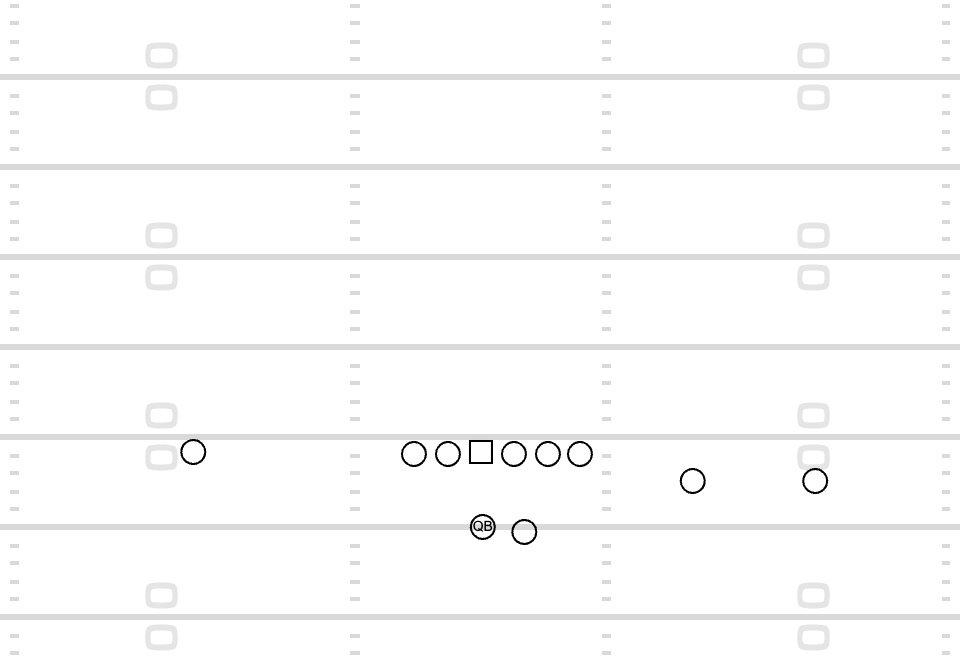
12 Personnel aligned in Trips
Spread formations with a motioning TE to create a power surface
Same run concept dressed up with different formations
This forces defenses to ask:
“Are we defending space or gaps?”
When they hesitate — you win.
Why Packaging Matters at the High School Level
High school programs don’t have unlimited practice time.
Packaging helps you:
Teach fewer concepts more deeply
Play faster on Friday nights
Adjust without wholesale changes
Get your best players touches in multiple ways
Most importantly, it allows your players to play confident football instead of thinking football.
Final Thoughts
Your offense doesn’t need more plays.
It needs:
Clear structure
Intentional packaging
Formations, plays, and personnel that tell the same story
When everything in your offense fits together, defenses feel like they’re always one step behind — even when they know what’s coming.
That’s the power of packaging.